The Climber Who Was Bothered By His Own Products
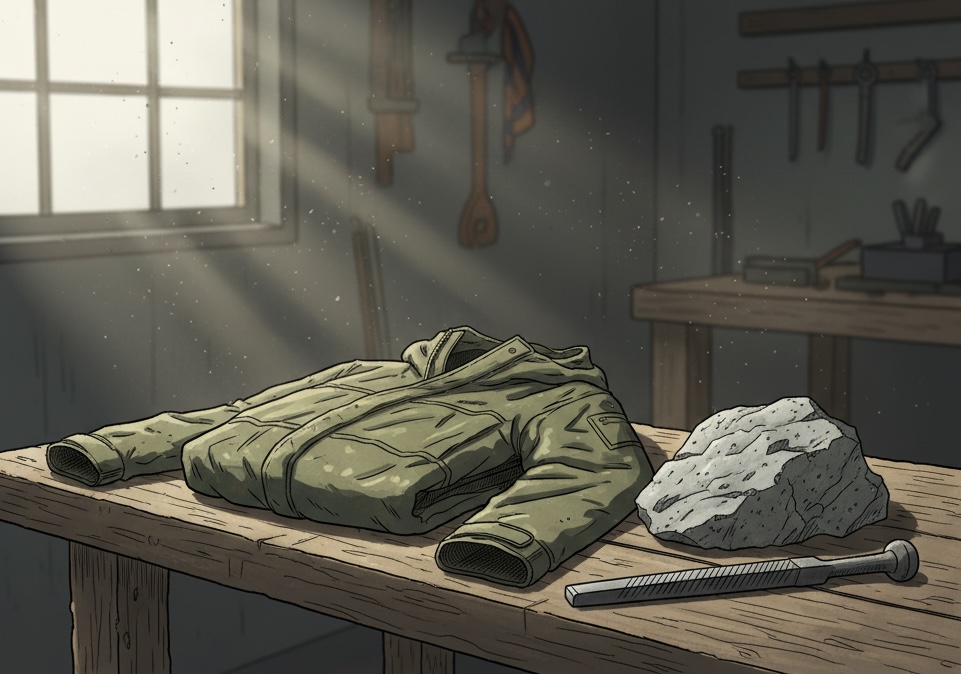
It didn't start with a marketing plan or an investor. It started with a young Yvon Chouinard, who in 1957, in his parents' garage, forged his own climbing pitons - because the ones imported from Europe were single-use and useless after being pulled from the rock. His steel pitons could be hammered in and pulled out again. Climbers wanted them. Chouinard started selling them out of the trunk of his car at Yosemite campsites.
By 1970, Chouinard Equipment was the largest manufacturer of climbing gear in the US. And also the biggest problem on Yosemite's walls - hundreds of climbers leaving permanent scars on the granite from repeatedly hammered pitons.
Chouinard did something no normal businessman would do: he stopped producing his best-selling product. A 14-page essay on climbing ethics and the introduction of new technology - aluminum chocks that simply wedge into the rock and leave no trace - was published in the 1972 catalog. The market turned around in a single season.
"Anytime I learned something about how our products harmed nature, it forced me to rebuild the company."
- Yvon Chouinard
How Patagonia Was Born
In the mid-1970s, Chouinard brought a rugby shirt from Scotland - thick, colorful, and durable for years. His climber friends wanted it. He founded a clothing division and searched for a name that didn't evoke a specific sport or country. He chose Patagonia - a remote, windy, mythical place at the end of South America.
In 1973, Patagonia, Inc. was founded. Its mission was clear from day one: make the best product, cause no unnecessary harm, use business to inspire and implement solutions to the environmental crisis.
Milestones That Changed the Rules
| Year | What happened |
|---|---|
| 1985 | Patagonia began donating 1% of its revenue (not profit) to environmental protection. This was long before it became a PR trend. |
| 1993 | The first Synchilla fleece jacket made from 100% recycled PET bottles. |
| 1996 | Transition to 100% organic cotton in all products - even if it meant rebuilding the supply chain and increasing prices. |
| 2005 | Launched the Worn Wear program - repairs, buy-back of used clothing, sale of refurbished pieces. |
| 2011 | Famous "Don't Buy This Jacket" ad in the New York Times on Black Friday. Patagonia told customers not to buy its jacket if they didn't truly need it. |
| 2017 | Sued Donald Trump for shrinking the Bears Ears and Grand Staircase-Escalante national monuments. |
| 2022 | Chouinard donated the entire company (worth ~$3 billion USD) to a trust and a non-profit that dedicate all profits to fighting the climate crisis. |
"Earth is now our only shareholder"
The September 2022 announcement shocked even people who had followed Patagonia for decades. Chouinard, his wife Malinda, and their two adult children relinquished ownership of the company and transferred it to two entities:
- Patagonia Purpose Trust (2% voting shares) - ensures the company will forever remain true to its mission and will not be sold.
- Holdfast Collective (98% non-voting shares) - a non-profit organization that receives all profits after reinvestments (~$100 million USD annually) and uses them for nature protection and fighting climate change.
"Instead of going public, we went to Earth."
- Yvon Chouinard, letter to customers, September 2022
Chouinard's family paid around $17 million in taxes for the transfer (if they had sold the company to investors, they would have made billions). Chouinard himself lived in a simple house in Ventura, California, drove an old car, and, according to Forbes, was still the only billionaire who didn't care for billions.
What This Means For Us Travelers
You don't have to be a fan of the brand to appreciate the principle. Over 60 years, Patagonia has proven three things worth remembering every time you buy travel equipment:
- Buy less, but better. One quality jacket for 15 years creates less waste than five cheap jackets for three years each.
- Repair. The Worn Wear program showed that 80% of people continue to wear the same piece after repair. Most brands can't do repairs - Patagonia can.
- Ask who is dressing you. Patagonia publishes Footprint Chronicles - an interactive map of all its factories, including audits. No other brand does this to such an extent.
Recommended Items for Travelers
If you want one item in your backpack that will survive years of one-bag travel, long treks, and city life:
- Nano Puff Jacket - PrimaLoft Gold synthetic insulation, 337g weight, packs into its own pocket. Ideal layer for planes and unexpected cold.
- Houdini Jacket - 105g windbreaker, packs into the palm of your hand. A rescue on treks where you can't carry a full hardshell.
- Black Hole Duffel 40 L - water-resistant duffel made from recycled polyester, perfect carry-on or check-in.
- Capilene Cool Daily Tee - quick-drying merino-synthetic blend, tolerates two weeks without washing.
- Quandary Pants - lightweight stretch pants, look city-friendly, work for hikes. The only pants you need for a 3-week trip.
Conclusion
Patagonia is proof that business doesn't have to be a race to the bottom. That you can make things that last. That a company can forgo profit maximization for something bigger. And that one climber, bothered by his own pitons in the granite, can change the rules of an entire industry in 60 years.
It's not about buying Patagonia. It's about buying like Patagonia: slowly, consciously, with the question "will I wear this for ten years?" before every click to the cart.